The grading ROI formula
The basic question is: does the graded value at your expected grade exceed the raw card value plus grading costs?
The break-even formula
Graded price (PSA X) − Raw price > Grading fee + Shipping
If the difference is positive, grading makes financial sense. The larger the margin, the more buffer you have for uncertainty (getting a lower grade than expected, fluctuating prices during the turnaround period).
Current grading fees (2025)
Fees vary by service tier and company. These are approximate costs — always check the grader's current pricing page before submitting, as fees change frequently.
PSA
Shipping from Europe adds €15–30 return. Use a PSA authorised dealer to reduce complexity.
CGC
CGC has European drop-off points, which simplifies EU submissions significantly.
Cards worth grading vs. cards that aren't
Usually worth grading
- Cards with PSA 10 value €80+ above raw
- Cards you pulled from a pack (known mint history)
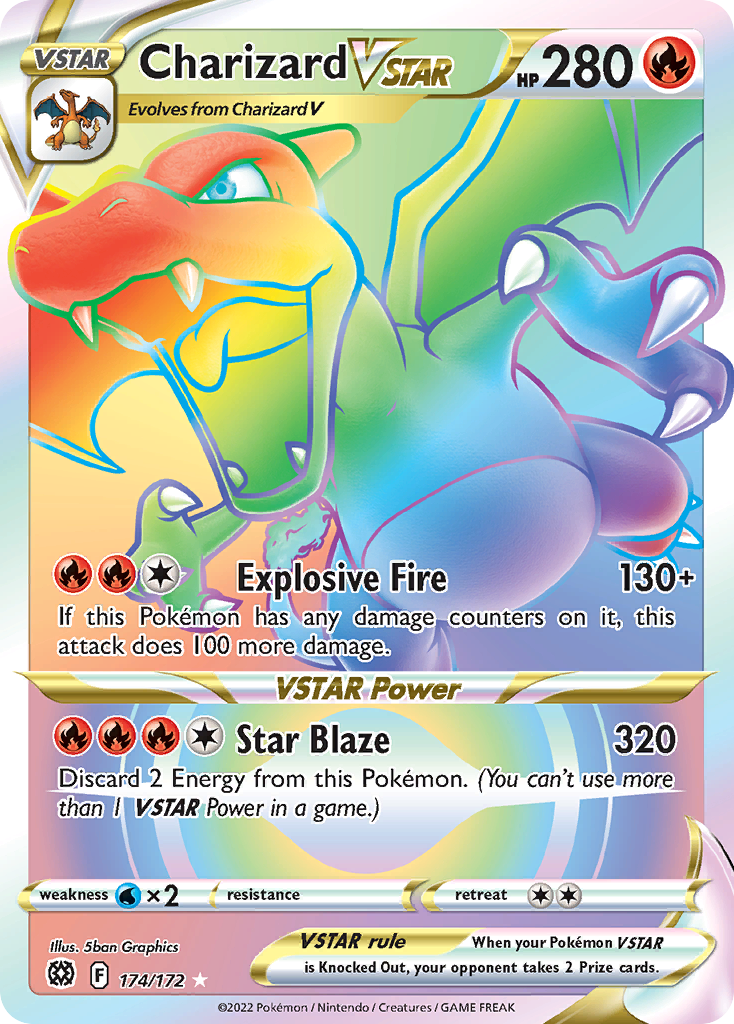
- High-rarity cards: SIR, SAR, HR, UR, CHR
- Vintage Base Set cards in NM condition
- Cards you plan to hold long-term
Rarely worth grading
- Common or uncommon cards regardless of condition
- Cards with visible whitening on edges
- Cards with surface scratches on the holo
- Cards where graded PSA 9 price ≈ raw NM price
- Cards you want to use in a deck
How to assess a card's grading potential
Before submitting, inspect your card under good lighting (natural light or a bright desk lamp — avoid direct overhead LED, which can mask surface scratches):
- 1
Centering
Measure or eyeball the border ratios front and back. PSA 10 typically requires 55/45 or better on both axes. Use a loupe if you have one.
- 2
Edges
Run your fingernail gently along edges. Any roughness = edge wear. Check all four corners for whitening or fraying.
- 3
Surface
Tilt the card at 45° under a light and look for scratches, print lines, or indentations on the holo.
- 4
Back
The back is graded too. Scratches, print defects, or staining on the back affect the grade the same way as the front.
Calculate your grading ROI instantly
CardSense Pro's Grading ROI Calculator shows your expected return at PSA 8, 9, and 10 — including grading fees — for any card in your portfolio.
Try the Grading Calculator freeCardMarket
Largest EU marketplace · Verified sellers
PokeNerds
DE-based · Fast EU shipping
Total Cards
UK-based · Ships to EU
Prices are indicative · CardSense may earn a small commission via affiliate links